MVP launch built to prove an idea, not to be rebuilt later
A first release has one job: to find out whether the idea holds. We build the smallest product that can answer that, and build it to last.

Version one should answer one question about your idea, and answer it with real users. Small in scope, careful in the build, and in people’s hands in weeks.
We start by writing down what the launch has to prove, and for whom. Everything that doesn’t help prove it waits for version two. What remains, usually one loop of sign up, do the thing, see the value, is designed and built properly rather than mocked up.
The budget goes where the question is. The parts you can’t see, the data model, the design system, the deploy pipeline, are built as if the product will succeed, so the second release starts where the first one stopped.
What you get with us
A small senior team that has designed, built and shipped products together since 2024, and stays with the project to the end.
Scope you can hold
A one-page definition of the MVP — who it is for, what it must do, what it deliberately won’t — signed off before design starts.
Weeks, not quarters
Design and engineering run in parallel from week one. Most MVPs ship in four to six weeks, with a working build from the second sprint.
Instrumented from day one
Analytics, feedback capture and the metrics that decide the next release are part of the launch, not a follow-up.
Foundations that survive v2
The MVP is small, not disposable. Architecture and design system are built so the product can grow without a rewrite.
From a first test to a product that fits
- Prototype
- Technical spike
- Investor demo
Before committing to a full build, we test the part you are least sure of — the integration, the model, the one screen investors need to see — in days rather than months, and tell you honestly what we found.
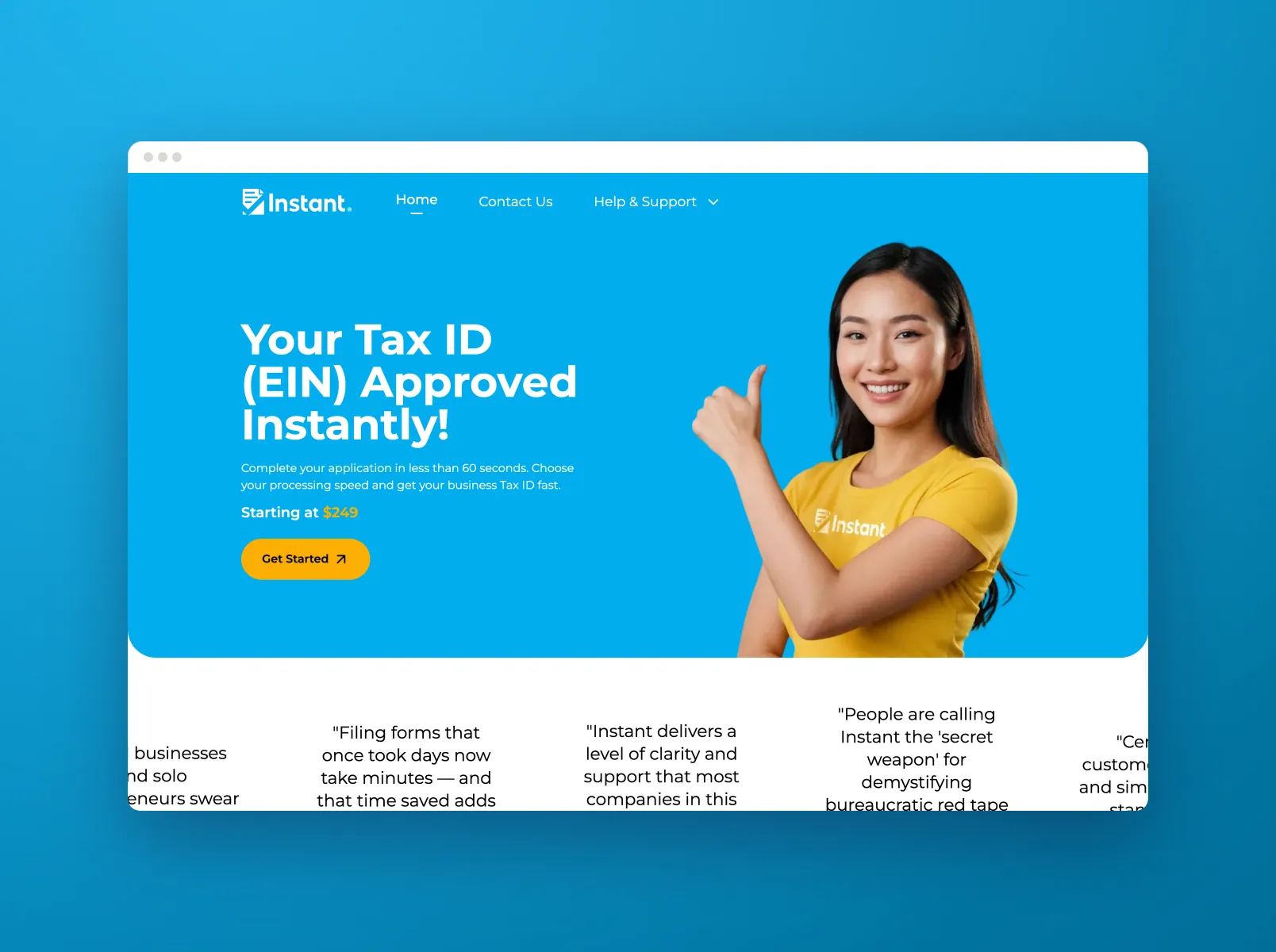
Proof of concept
- Web app
- Mobile app
- SaaS
- Marketplace
The core loop of your product — sign up, do the thing, see the value — designed and built properly on a typed, tested codebase, with accounts, payments and admin in place, and in people’s hands in four to six weeks.
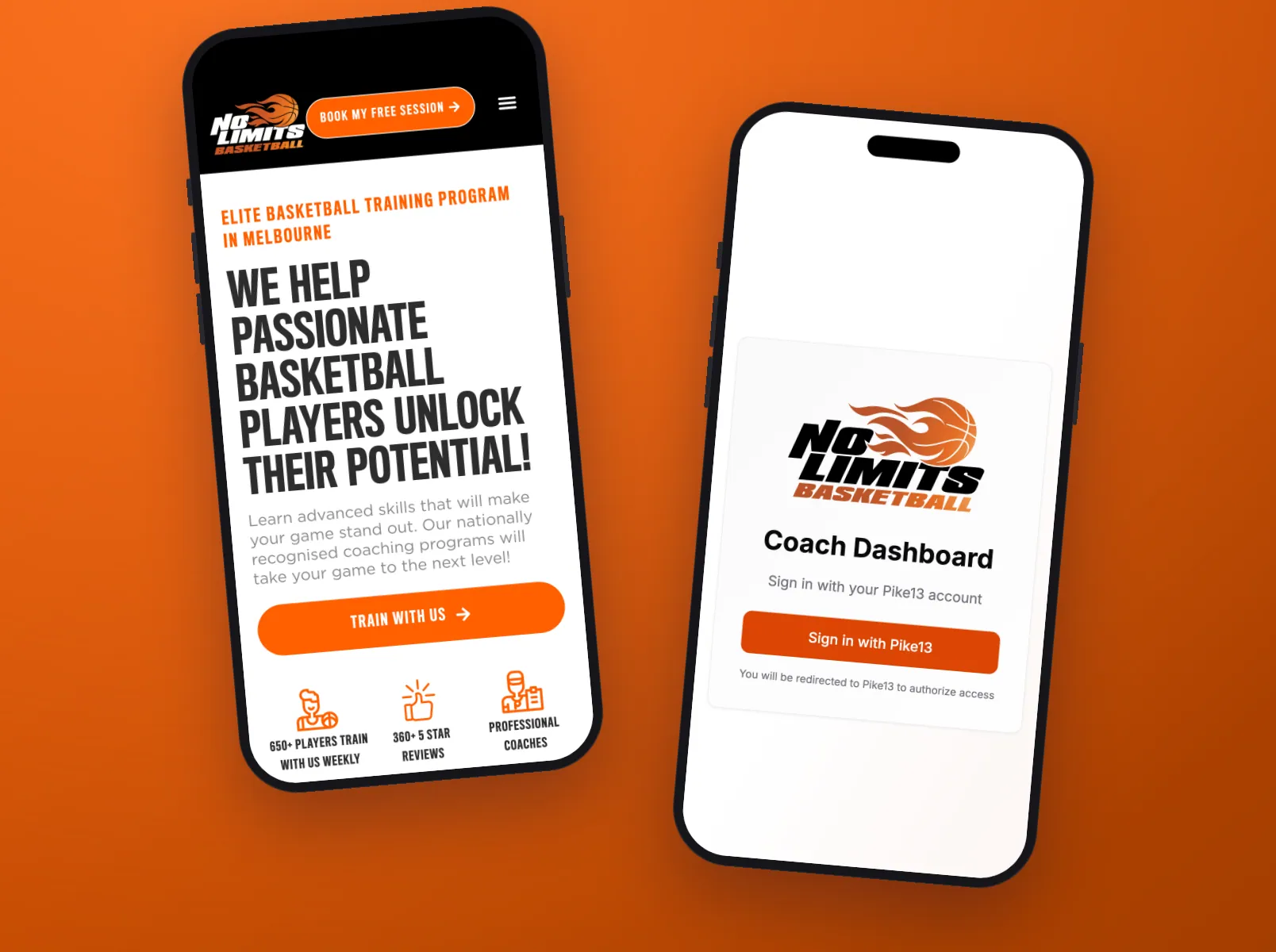
MVP
- Analytics
- Experiments
- Iteration
After launch, the numbers decide. We instrument the product, run the experiments, talk to the users who stayed and the ones who left, and ship in two-week cycles until the product and the market meet.
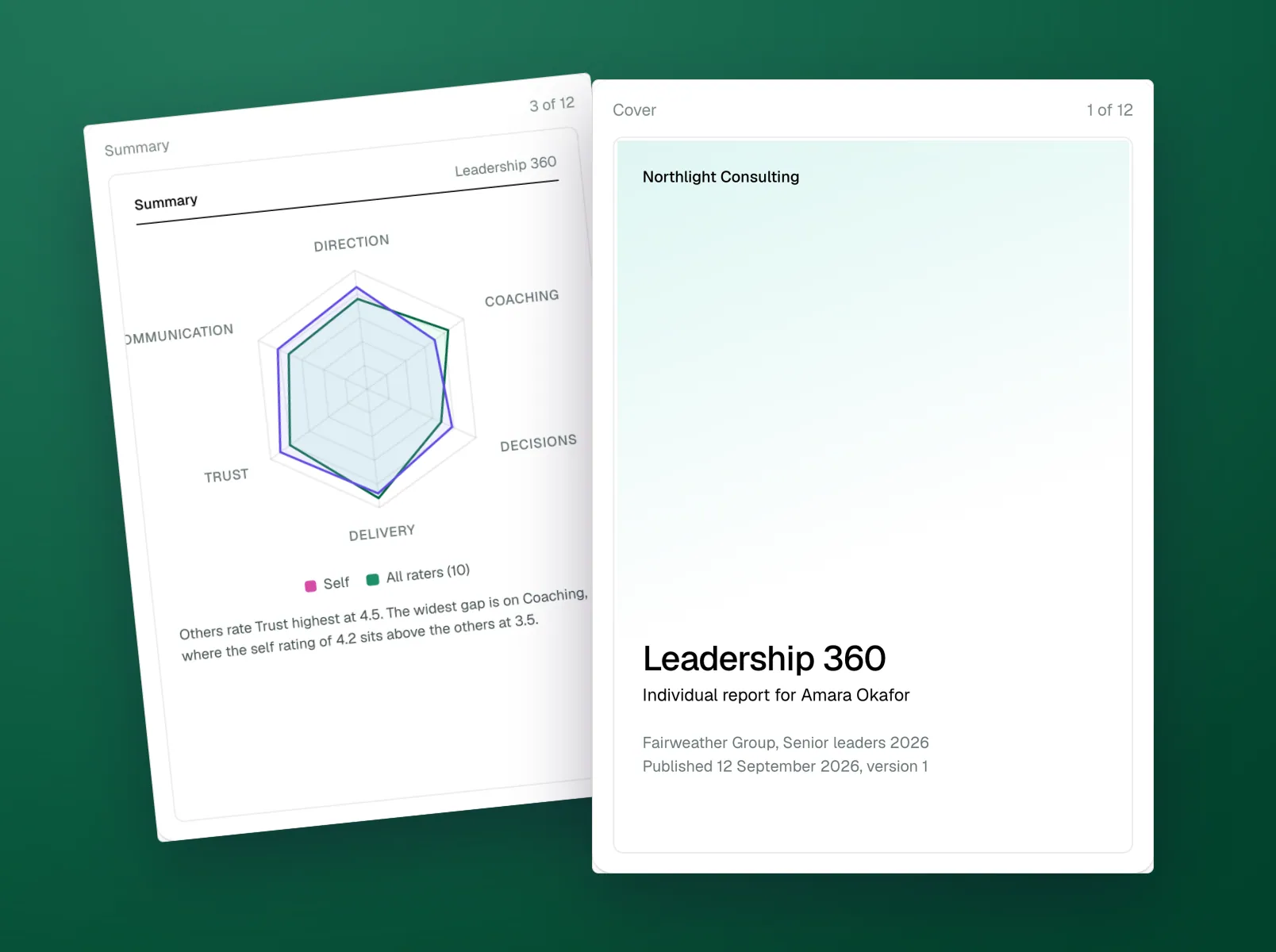
Product-market fit
- Strategy
- Design
- Engineering
- Launch
The whole journey with one team: discovery, design, engineering, launch and the releases after it — for founders who want a technical partner rather than a string of hand-offs.
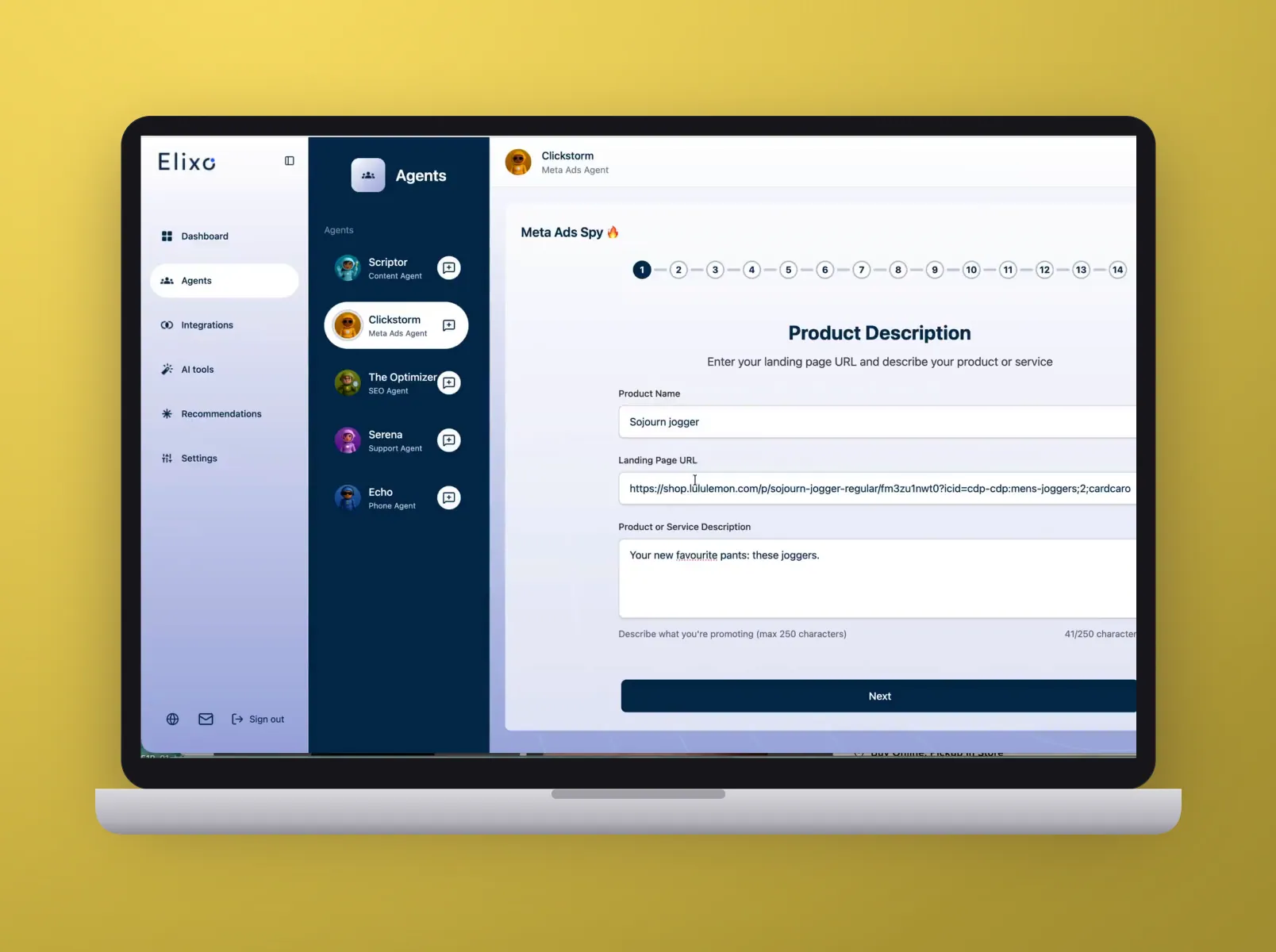
End-to-end product development
From workshop to launch day
Define, design, build, ship — in two-week cycles, with a working product long before the launch date.
How we keep version one honest

Essential, not minimal
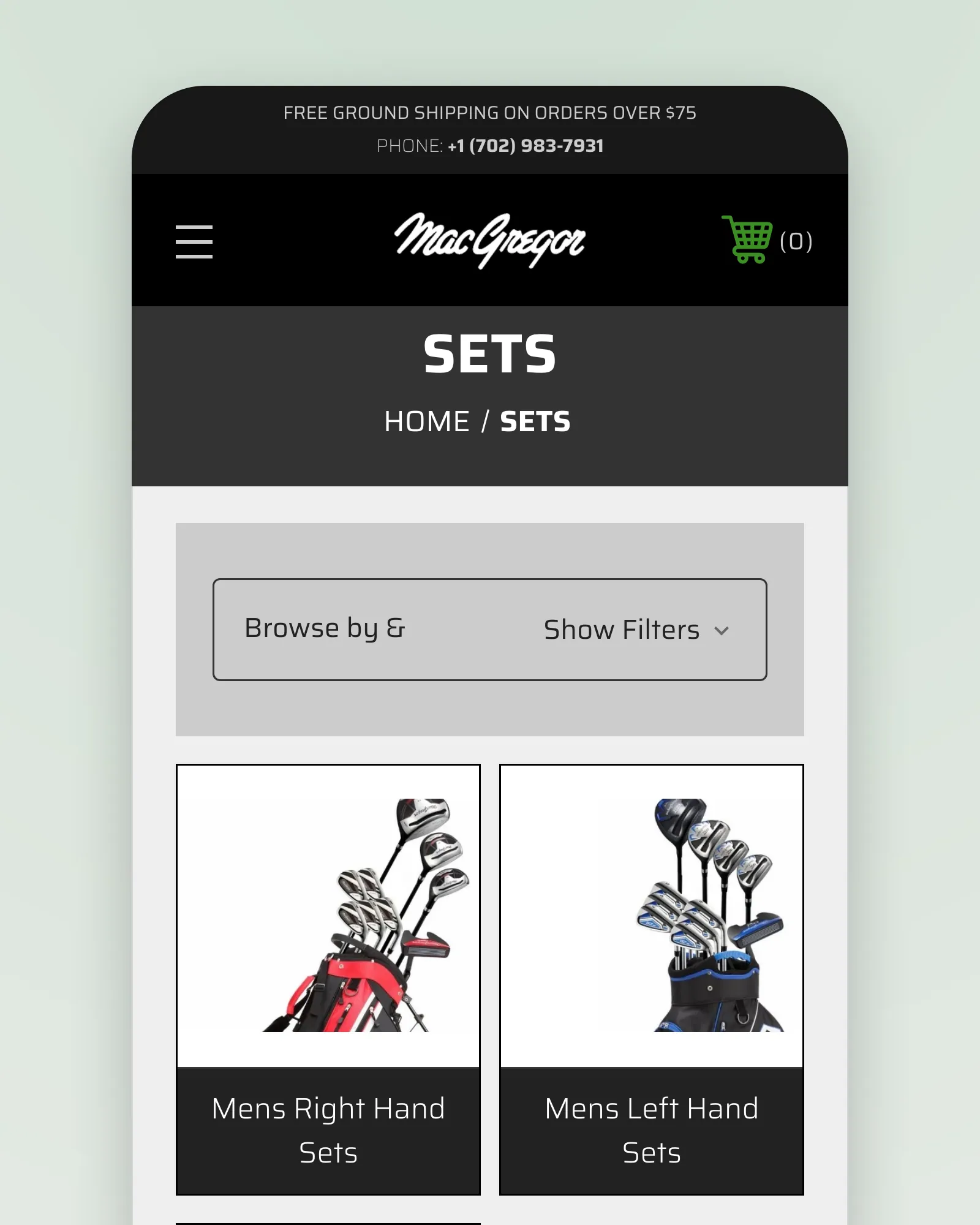
An MVP that is too thin teaches you nothing. We cut scope to the core loop, then build that loop properly — so the feedback you get is about the idea, not about the bugs.
Get a quoteReal users, early
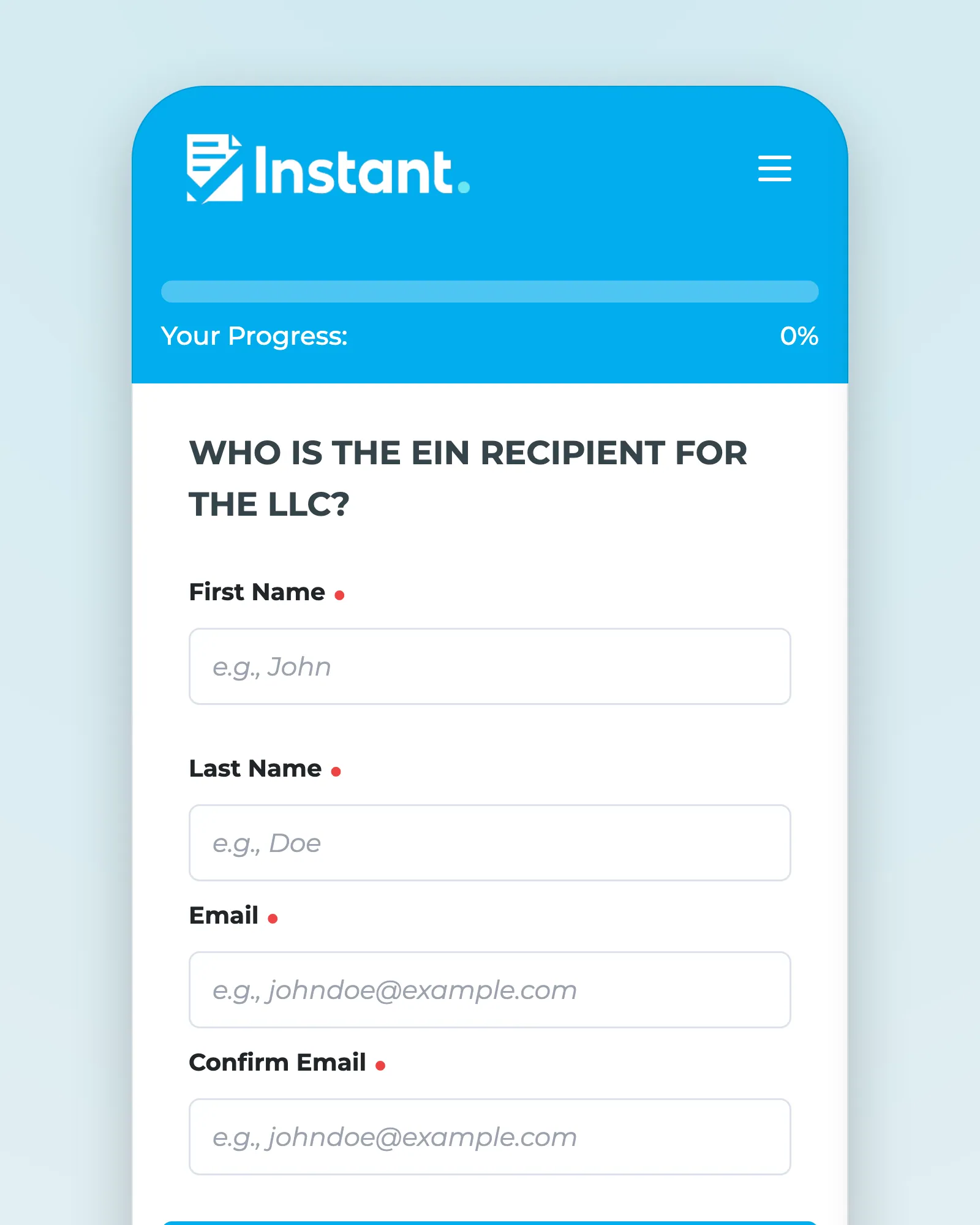
A closed beta runs before the public launch, with feedback capture built into the product. The second release is shaped by what people did, not what they said they would do.
Get a quoteBuilt to keep going
The temptation is to throw the MVP away. Ours are built so you don’t have to: a clean architecture, a design system, and documentation that lets version two start on Monday.
Get a quoteWho we launch with
Pre-seed & seed startups
With a validated idea and a runway that rewards shipping this quarter.
Businesses launching a product
Spinning a new digital product out of an existing company, without a product team yet.
Founders
Who need a technical co-founder’s output before they have a technical co-founder.
Testimonials

“Working with Axtra Studios was fantastic! They were very communicative & flexible. We will definitely be hiring them for future projects!”
- Stephen Fullington
- CEO, CoreTrex
Questions, answered
Most ship in four to six weeks from the workshop to a public launch, with real users on a working build before it goes public. The scope document at the start fixes the date; changes to the scope move it, in the open.
Yes. We start with an audit of what exists and keep what holds up. Often the fastest path is a rebuild of the core on solid foundations while your existing assets are folded in where they fit.
In milestones, against a written scope: you see the whole estimate before anything starts, and you pay as each part is delivered and approved. We would rather shape the scope to fit your budget than lose a good project over price — so if the number is the obstacle, tell us, and we will find the version of the work that fits it.
The co-founders lead every project — Zafar on strategy and the client relationship, Shahzaib on engineering, Subhan on delivery — with our designers, developers and QA doing the work alongside them. There is no account layer between you and the people building it.
Yes — that is the point of working in two-week cycles. Every sprint ends with a review, and what you see there shapes the next one. Changes inside the agreed scope are part of the work; changes to the scope are re-estimated, in the open, before anyone builds them.
You do, always. The code sits in your repositories, the designs in your Figma, the deployments and accounts in your name, with documentation and a recorded walkthrough. Nothing is locked to us — and most of our clients stay on for the next phase anyway.
Let’s get version onein front of users.
Brand identity
Strategy, naming, logo and visual identity, and the guidelines that keep it consistent — designed by the team that builds the product it lives on.
Explore