AI products that do a real job, shipped inside your product
From an assistant your customers trust to agents that take on a whole workflow — designed, built and evaluated end to end.

The hard part of AI isn’t the model. It’s the product around it — the data it sees, the guardrails, the interface, and knowing whether it actually worked.
We build AI features the way we build everything else: starting from the job the user needs done. A chat box is rarely the answer; a well-placed suggestion, a document that drafts itself, or a workflow that no longer needs a person often is.
Every AI build ships with an evaluation set, so you know how it performs before your customers do — and keep knowing as models and prompts change. Retrieval over your own data, orchestration across tools, and the guardrails that keep it on-brand are part of the standard build, not extras.
What you get with us
A small senior team that has designed, built and shipped products together since 2024, and stays with the project to the end.
Job-to-be-done first
We start from what the user is trying to finish, then decide whether AI helps. Sometimes the answer is a better form. Usually it is a smarter one.
Your data, grounded
Retrieval over your documents and systems so answers cite sources instead of inventing them — with access control that mirrors your own.
Evaluated, not vibes
An eval set, a score, and a dashboard. You see accuracy, cost and latency per release and can prove the feature is getting better.
Guardrails built in
Prompt injection, personal data, tone and scope are handled in the architecture, so the assistant stays on the job and inside your policy.
From one model call to a team of agents
- LLM apps
- RAG
- Custom models
Custom AI built into your product: retrieval over your own documents and data, integrations with the tools you already use, and fine-tuned or classic machine-learning models where an off-the-shelf model is not enough — behind a clean API and monitored in production.

AI development
- Agents
- Workflow automation
- Human in the loop
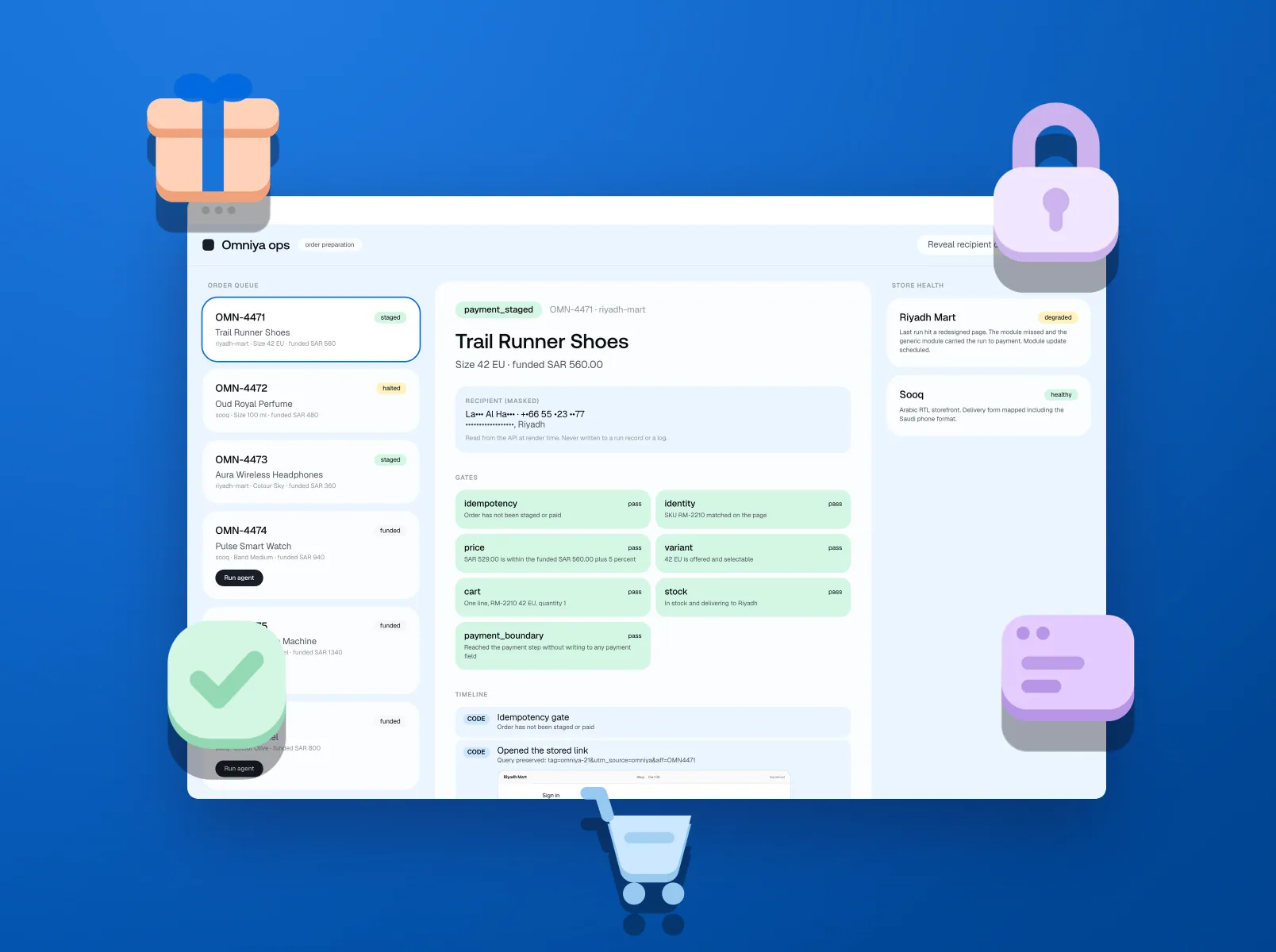
Agents that read, decide, act and log — working through the orders, applications and reports that currently take a person an afternoon, with a human signing off wherever the stakes demand one.
AI agents
- AI-native products
- Assistants
- SaaS
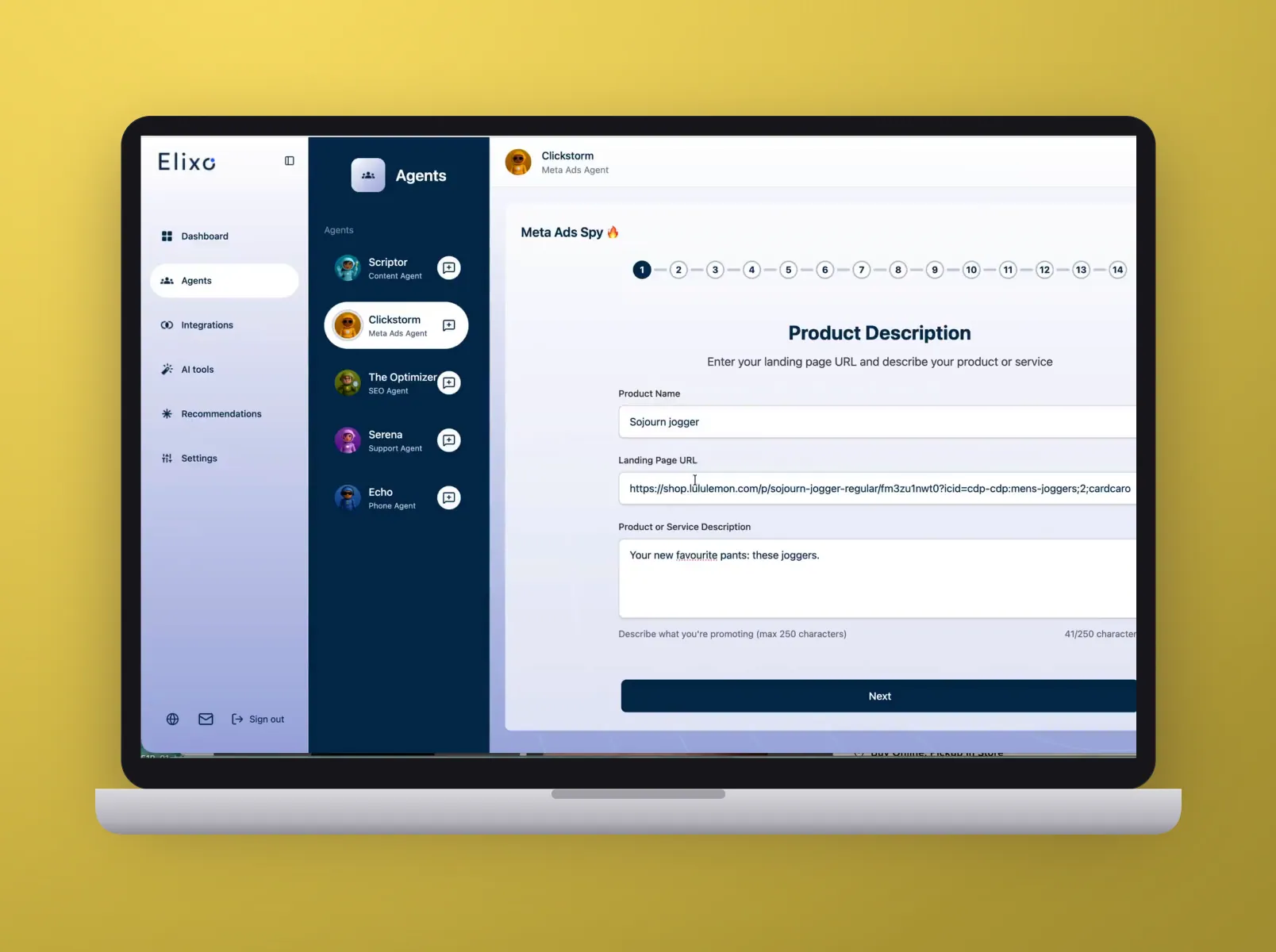
Products where the model is the feature. We design the experience around the job — where the suggestion appears, how a user corrects it, what happens when the model is unsure — and build the product around it end to end.
AI-powered web apps
- Eval sets
- Monitoring
- Cost & latency
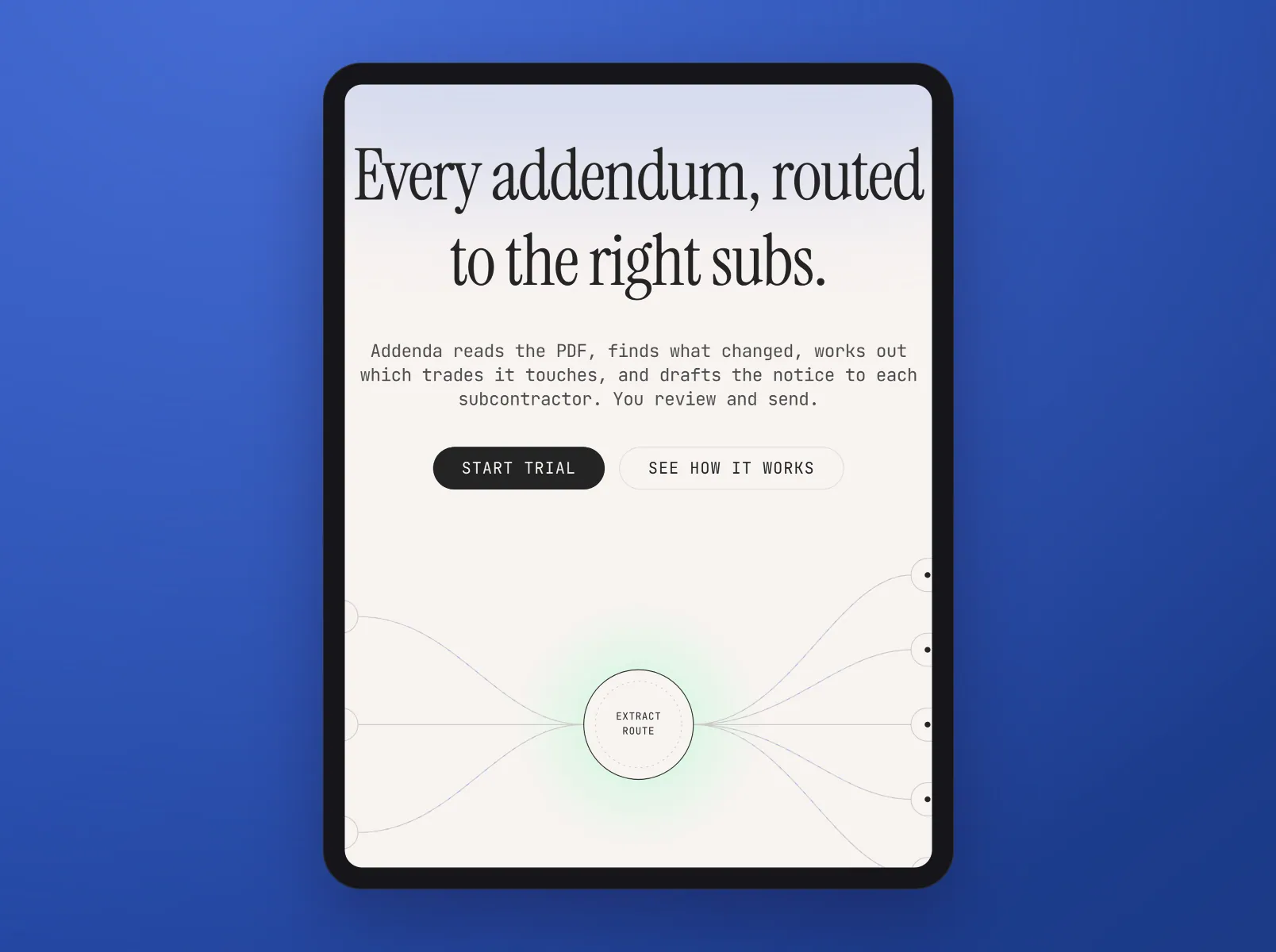
Knowing whether it works. An evaluation set written with you, a score on every release, and a dashboard for accuracy, cost and latency — for AI we built, or for a feature your team has already shipped.
AI evaluation & ops
From use case to release, step by step
A working prototype in the first two weeks, an evaluation set before the first release, and a product — not a demo — at the end.
Three things we won’t skip
Product before model
We design the experience around the job — where the suggestion appears, how a user corrects it, what happens when the model is unsure — and choose the model last. Models change monthly; a good product design survives them.
Get a quoteGrounded and evaluated
Answers come from your data with sources attached, and every release is scored against an evaluation set you helped write. Nothing goes live on a hunch.
Get a quoteCost and latency as design constraints
Tokens cost money and seconds cost users. We budget both up front, cache aggressively, route to smaller models where they suffice, and show the numbers on the same dashboard as accuracy.
Get a quoteFor teams who want AI that earns its keep
Operations teams
Drowning in documents and tickets that follow a pattern a model can learn.
Product teams
With a roadmap item that says "AI" and no clear idea yet of what it should do.
Founders
Building an AI-native product and needing the engineering to match the pitch.
Testimonials

“Working with Axtra Studios was fantastic! They were very communicative & flexible. We will definitely be hiring them for future projects!”
- Stephen Fullington
- CEO, CoreTrex
Questions, answered
OpenAI and Anthropic models by default, chosen per task, and other providers or open-weight models when your policy or the job calls for them. We design the architecture so the model is swappable — the retrieval, guardrails and evaluations are the parts that last.
Your data stays in your accounts. Retrieval runs against indexes you own, prompts never carry more than the task needs, and where your policy asks for it we choose the provider — or a model hosted in your own cloud — to match.
In milestones, against a written scope: you see the whole estimate before anything starts, and you pay as each part is delivered and approved. We would rather shape the scope to fit your budget than lose a good project over price — so if the number is the obstacle, tell us, and we will find the version of the work that fits it.
The co-founders lead every project — Zafar on strategy and the client relationship, Shahzaib on engineering, Subhan on delivery — with our designers, developers and QA doing the work alongside them. There is no account layer between you and the people building it.
Yes — that is the point of working in two-week cycles. Every sprint ends with a review, and what you see there shapes the next one. Changes inside the agreed scope are part of the work; changes to the scope are re-estimated, in the open, before anyone builds them.
You do, always. The code sits in your repositories, the designs in your Figma, the deployments and accounts in your name, with documentation and a recorded walkthrough. Nothing is locked to us — and most of our clients stay on for the next phase anyway.
Let’s put AI to workinside your product.
MVP launch
A first release has one job: to find out whether the idea holds. We build the smallest product that can answer that, and build it to last.
Explore