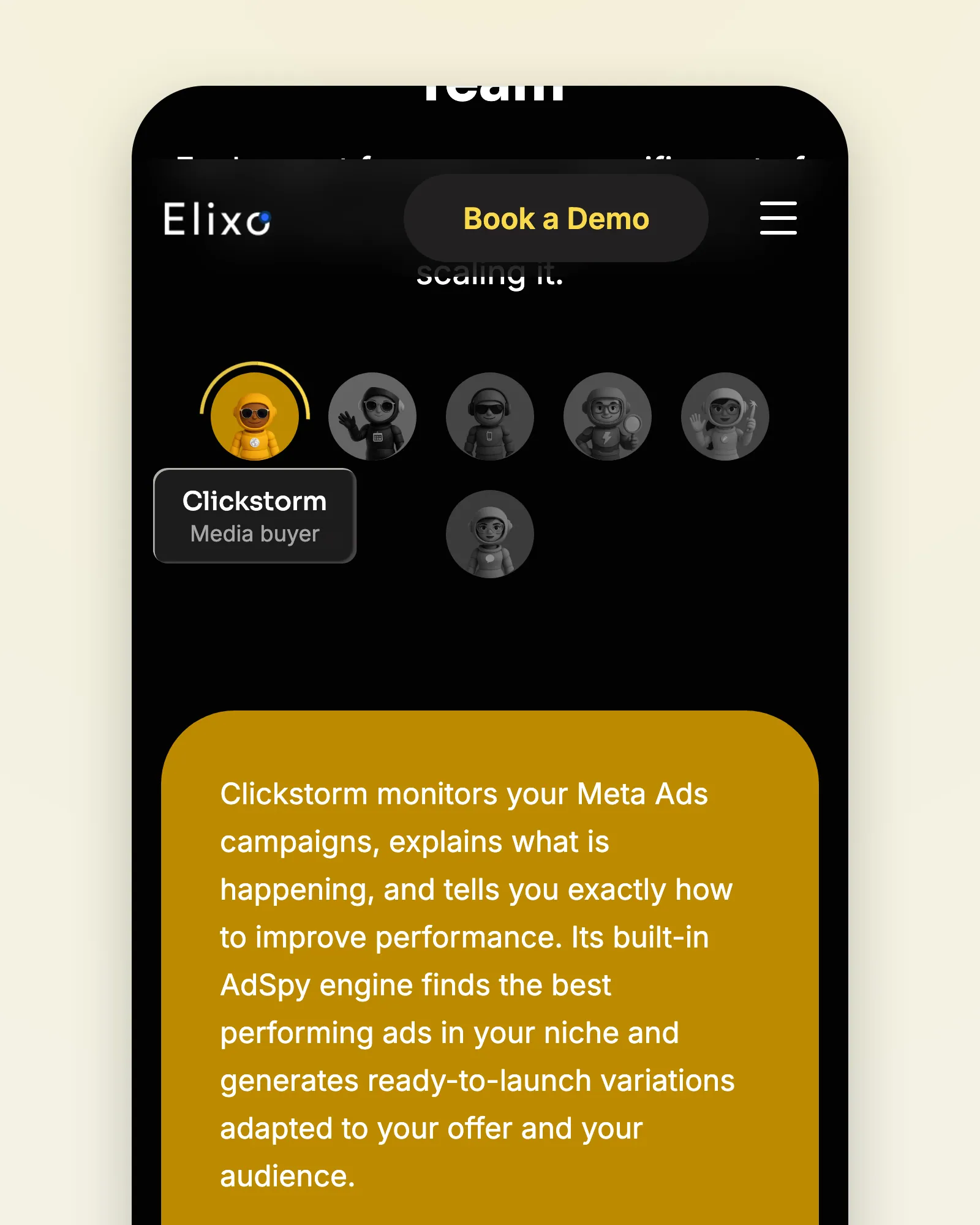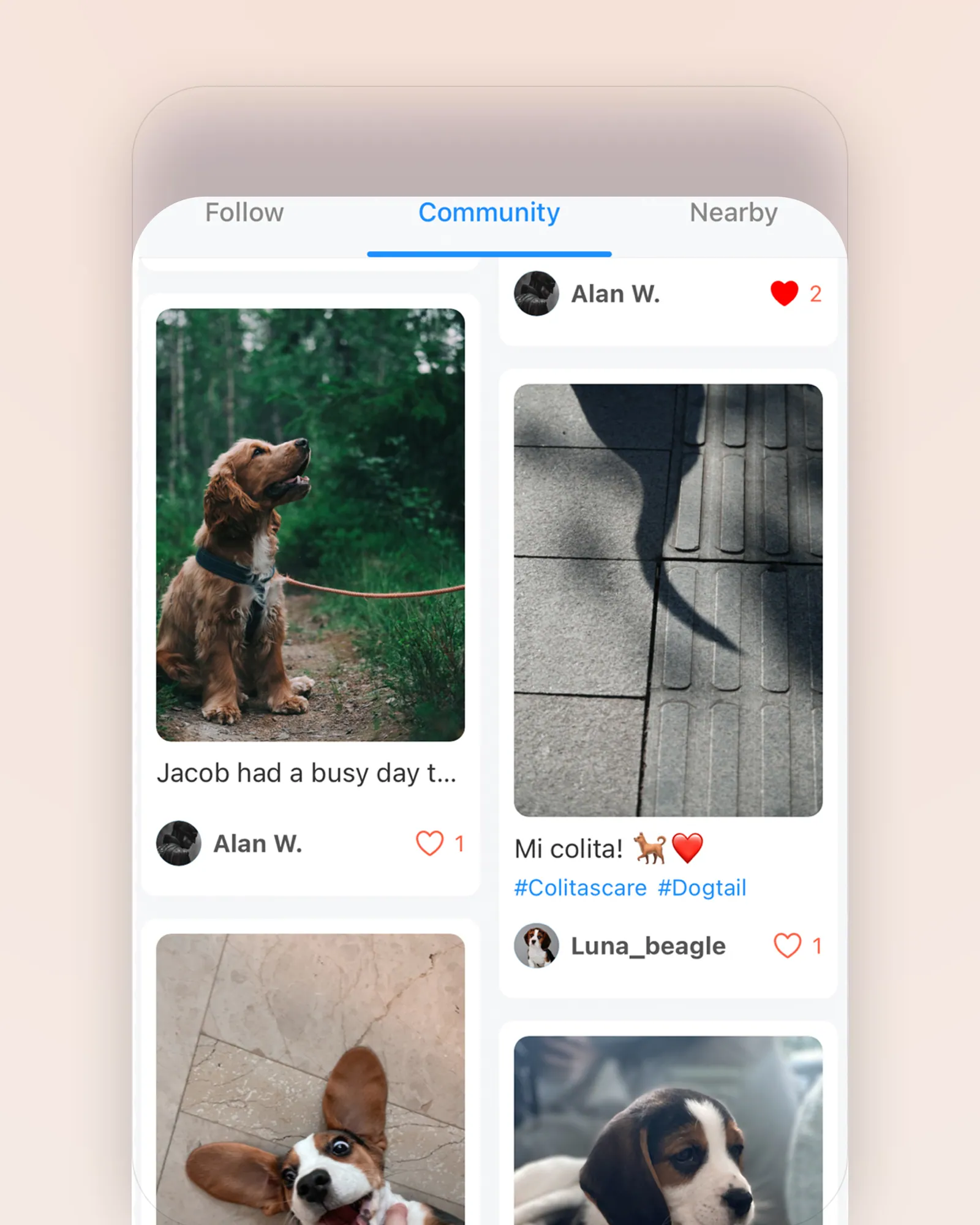
Mobile apps that feel at home on the phone in your hand
iOS and cross-platform apps, designed and built by one team — from the first flow to the App Store and Google Play.

A phone is personal. An app earns its place on the home screen by feeling native, opening fast and asking for nothing it doesn’t need.
We build native iOS apps in Swift, and cross-platform apps for iOS and Android in React Native with Expo or in Flutter — chosen by what the product needs, not by habit. Platform conventions are kept: gestures where a thumb looks for them, system type, and permissions asked at the moment they make sense.
The app is only half of it. Accounts, payments and subscriptions, push notifications, the back end and the admin tools behind it are designed and built by the same team, and we take the release all the way through TestFlight, App Store review and Google Play.
What you get with us
A small senior team that has designed, built and shipped products together since 2024, and stays with the project to the end.
Native where it counts
Swift when the product lives on iOS, React Native or Flutter when it needs both stores from one codebase — the choice made with you, for your product.
Fast to open, light to run
Start-up time, battery and data use are budgeted like features. An app that feels slow is uninstalled, however good it looks.
Store-ready from the start
Privacy labels, permissions, review guidelines and subscriptions handled as we build, so review week is a formality, not a rewrite.
The whole product
The app, the API, the admin panel and the analytics behind it, built by one team that knows how the parts fit.
From the first flow to the store listing
- Swift
- SwiftUI
- iPhone & iPad
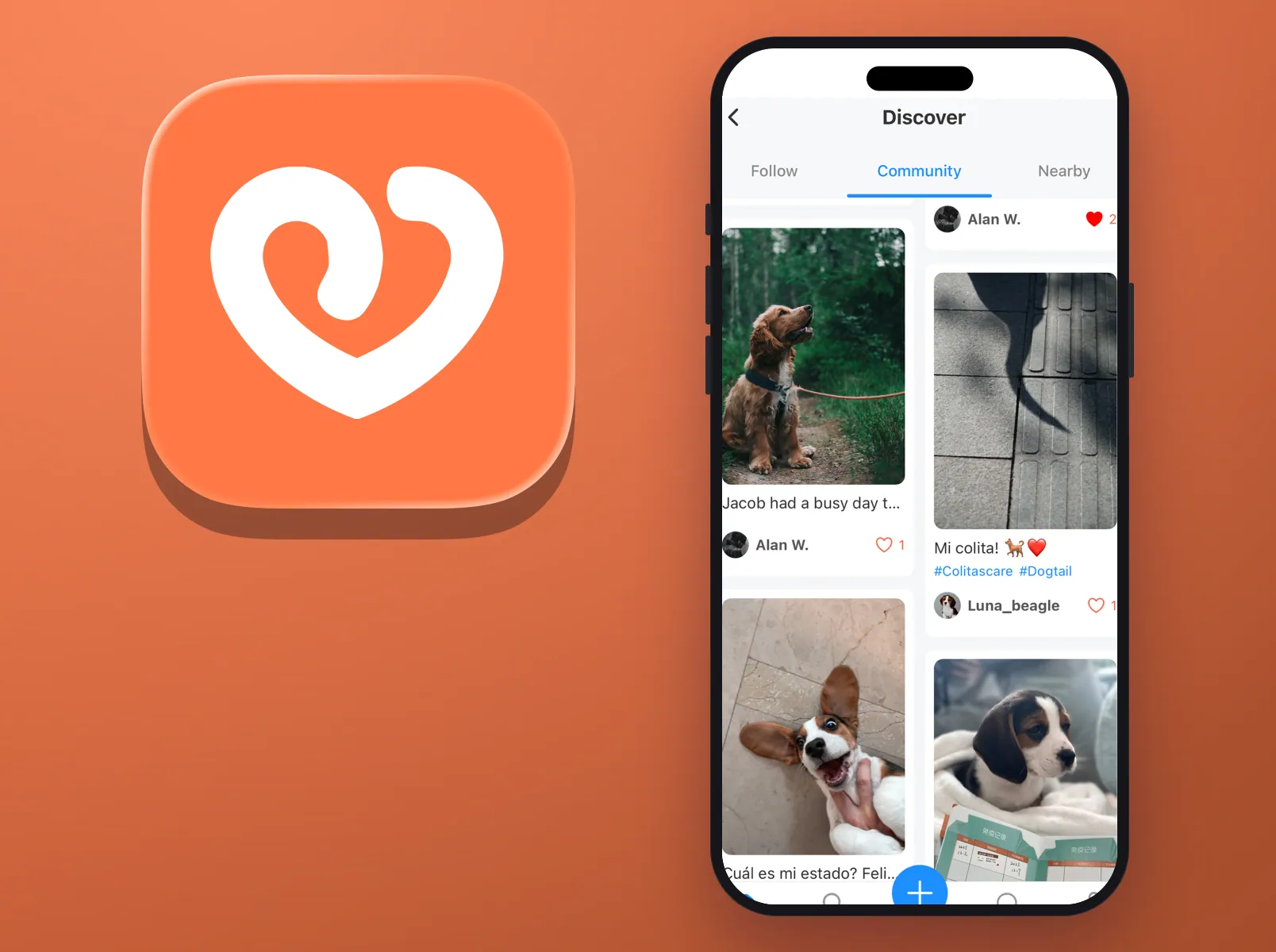
Native apps for iPhone and iPad in Swift, following Apple’s conventions closely enough to feel built in — widgets, notifications and in-app purchases where the product needs them.
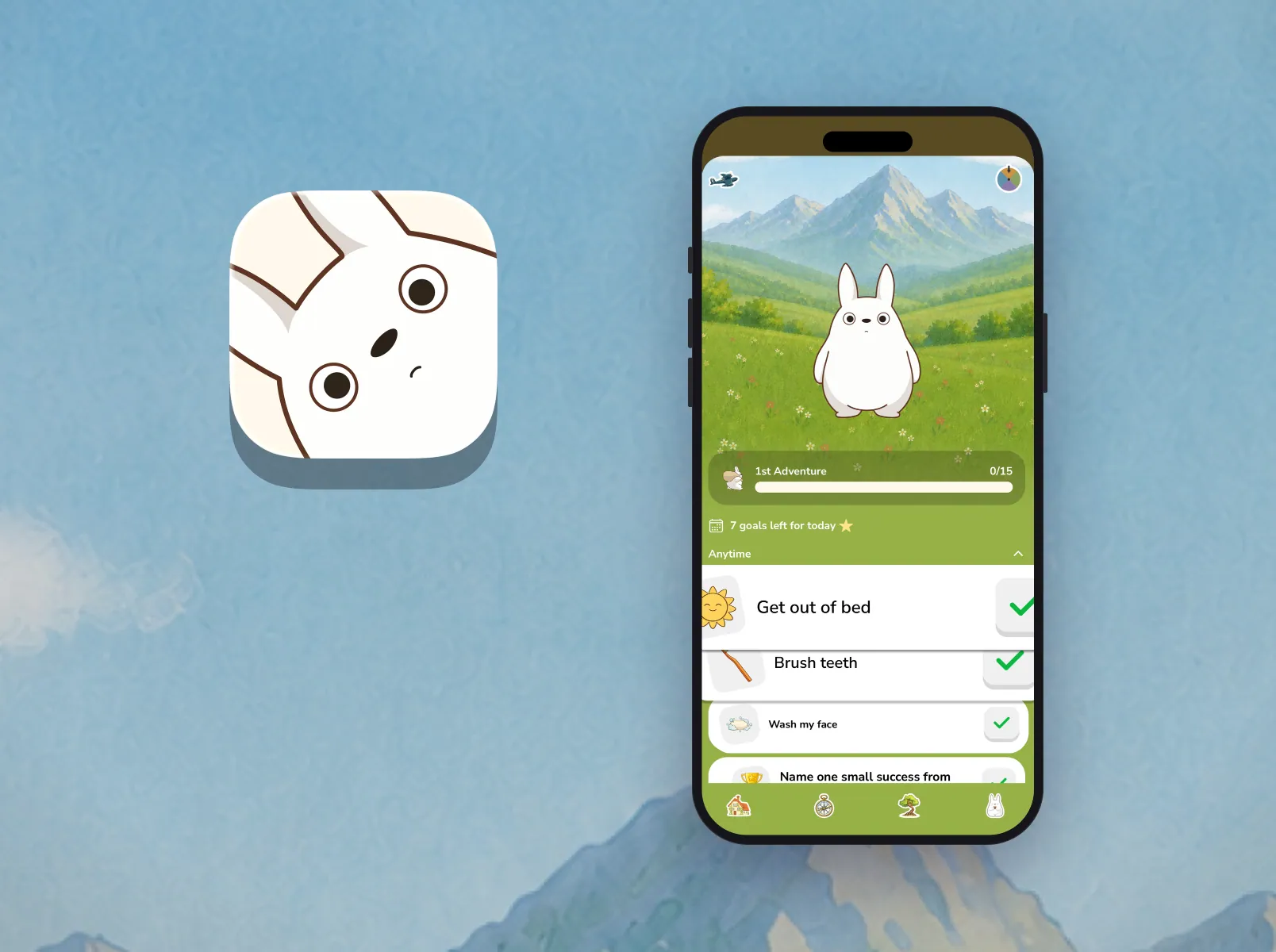
iOS apps
- React Native
- Expo
- Flutter
- Android
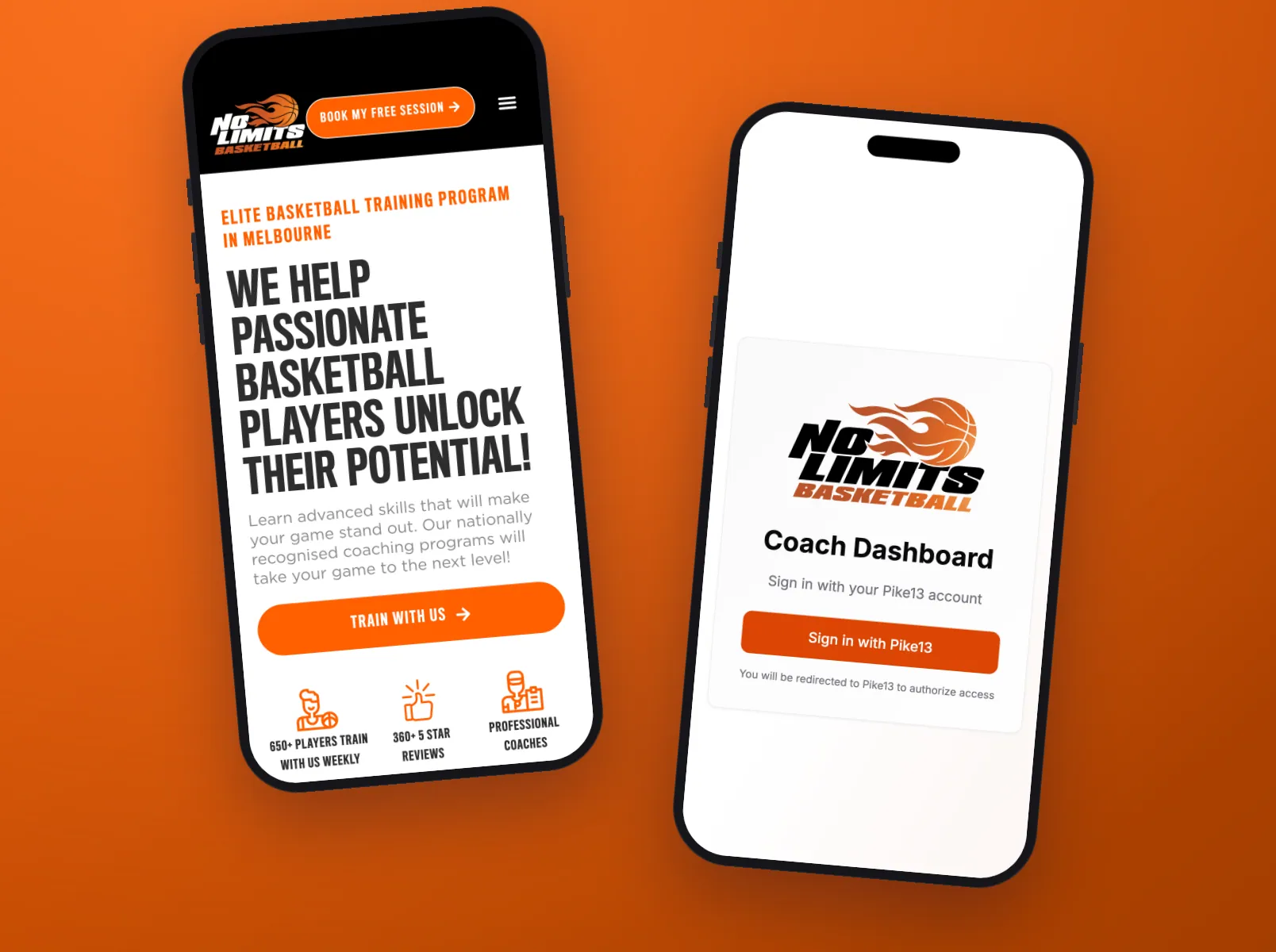
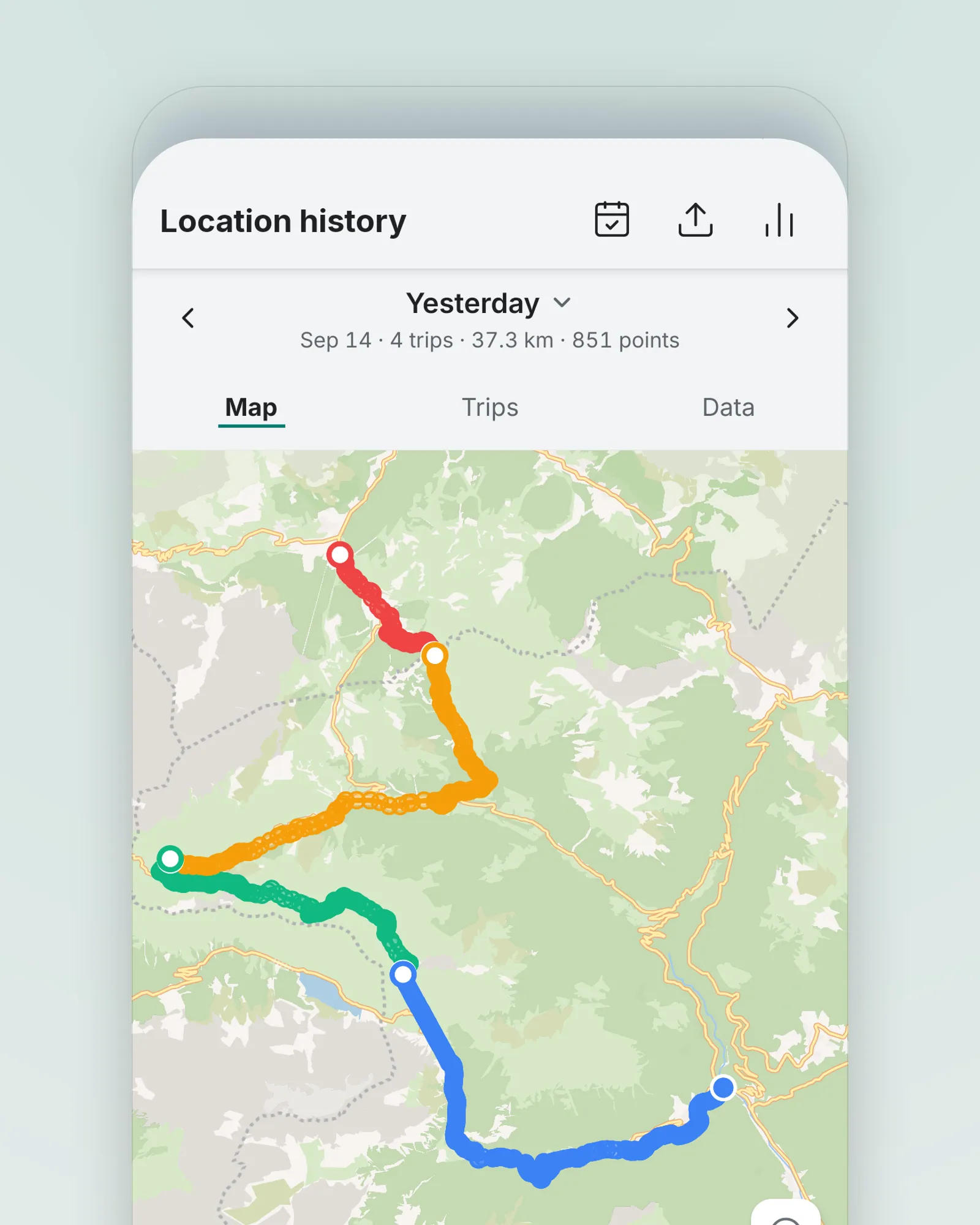
One codebase for iOS and Android in React Native with Expo or in Flutter, with native modules where the platform demands them — background location, maps, the camera — so neither store gets the lesser version.
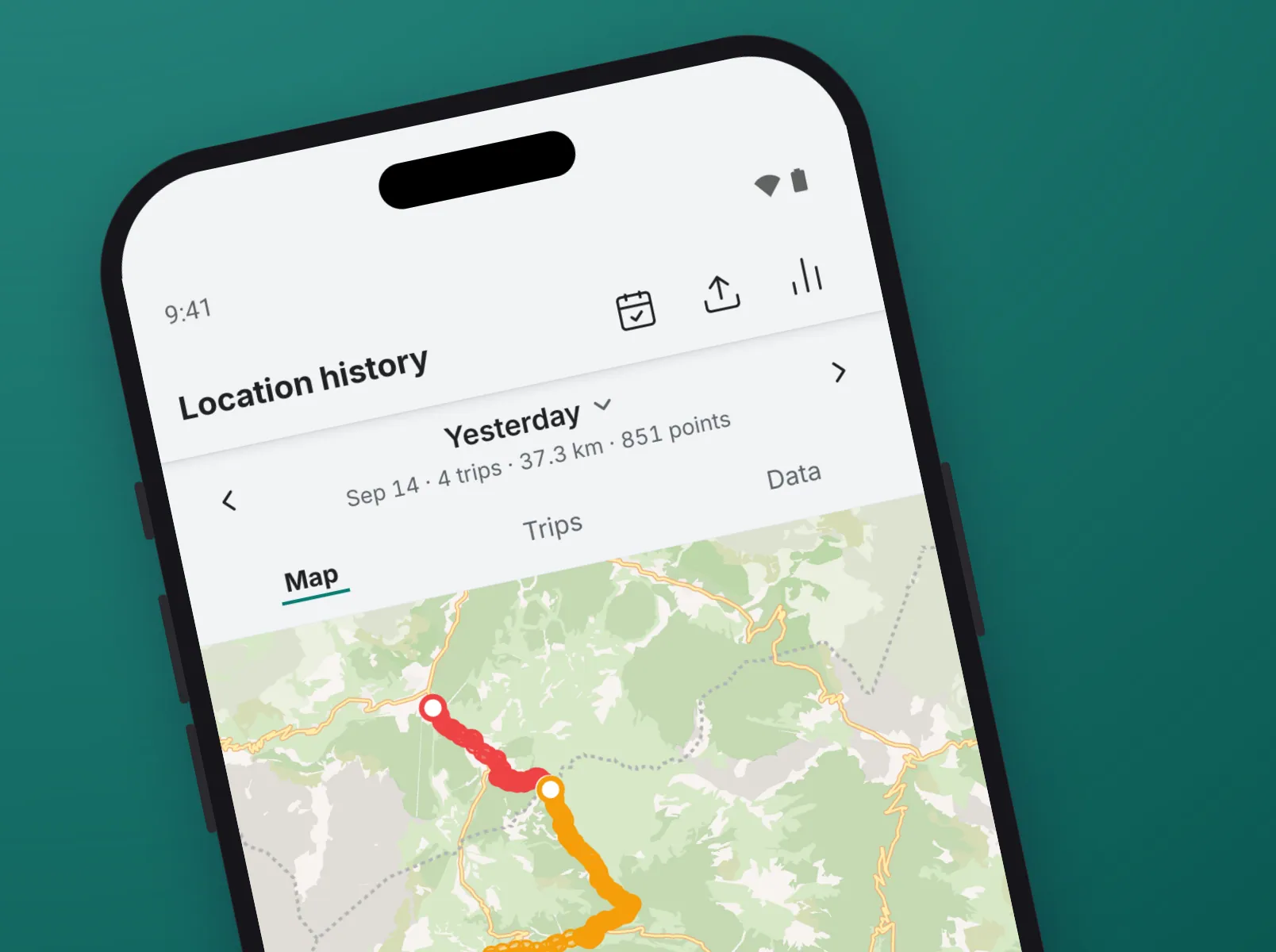
Cross-platform apps
- UX/UI
- Prototypes
- Onboarding
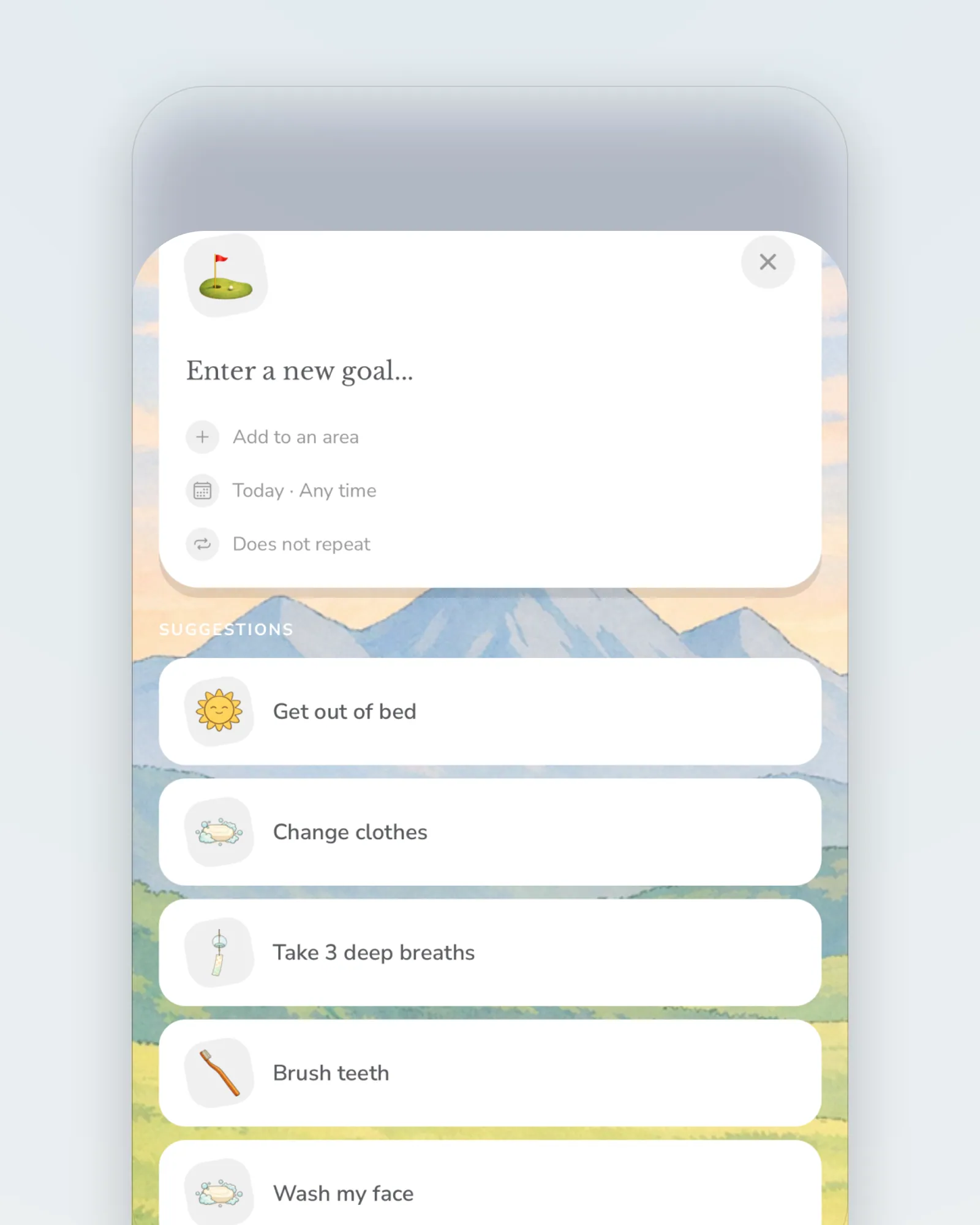
Flows mapped and tested before a screen is styled, then designed on a system of components. Onboarding short enough to finish on a bus, and every state — empty, loading, offline — drawn rather than left to chance.
App design
- TestFlight
- App Store
- Google Play
Beta builds in TestFlight and Play testing, the store listings, privacy labels and screenshots, and the review itself — then crash reporting and analytics watching the first real week.
Launch & store release
From flows to the store, step by step
Design and engineering run in parallel, in two-week cycles, with a build on your own phone from the first sprint.
What makes an app worth keeping
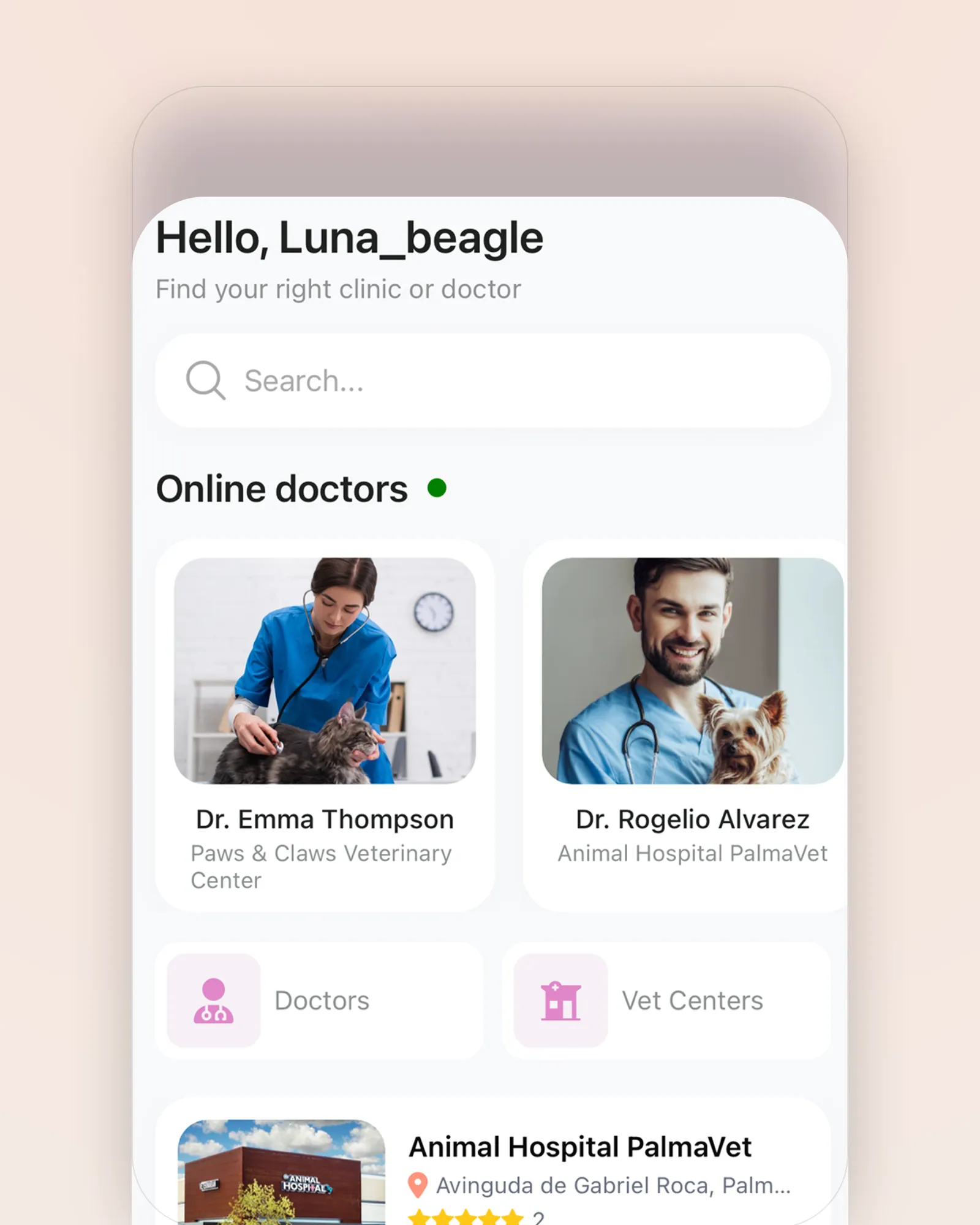
Conventions over cleverness
People already know how their phone works. We keep the platform’s patterns — navigation, gestures, system sheets — and spend originality where it helps, so nobody has to learn the app before they can use it.
Get a quoteTested on the phone in the drawer
Cold start, scrolling and battery are checked on an older, cheaper phone, not only the newest one. If it stutters there, it isn’t finished.
Get a quoteLaunch is the start
Crash reporting, analytics and review prompts ship with version one, so the second release is shaped by what people actually did in the app.
Get a quoteWho we build apps for
Businesses
Taking a service people already use onto the phone, where they spend their day.
Startups
With a mobile-first product that has to feel finished on day one to be kept.
Founders
With an app idea and a deadline, and no mobile team yet.
Testimonials

“Working with Axtra Studios was fantastic! They were very communicative & flexible. We will definitely be hiring them for future projects!”
- Stephen Fullington
- CEO, CoreTrex
Questions, answered
It depends on the product. Swift gives the most native iOS experience; React Native with Expo, or Flutter, puts one codebase on both stores and suits most products. We recommend one after discovery, with the trade-offs written down, and we are happy to build in the stack your team already knows.
Yes. We prepare the listings, privacy labels and builds, take the app through review, and release it under your own developer accounts, so the app and its reviews are yours from day one.
In milestones, against a written scope: you see the whole estimate before anything starts, and you pay as each part is delivered and approved. We would rather shape the scope to fit your budget than lose a good project over price — so if the number is the obstacle, tell us, and we will find the version of the work that fits it.
The co-founders lead every project — Zafar on strategy and the client relationship, Shahzaib on engineering, Subhan on delivery — with our designers, developers and QA doing the work alongside them. There is no account layer between you and the people building it.
Yes — that is the point of working in two-week cycles. Every sprint ends with a review, and what you see there shapes the next one. Changes inside the agreed scope are part of the work; changes to the scope are re-estimated, in the open, before anyone builds them.
You do, always. The code sits in your repositories, the designs in your Figma, the deployments and accounts in your name, with documentation and a recorded walkthrough. Nothing is locked to us — and most of our clients stay on for the next phase anyway.
Let’s put your productin people’s pockets.
AI solutions
From an assistant your customers trust to agents that take on a whole workflow — designed, built and evaluated end to end.
Explore